Creatine monohydrate is one of the most extensively researched sports supplements available.
For healthy adults using normal doses, the evidence supports a good safety profile. NIH guidance states that creatine appears safe over longer-term use as well as shorter supplementation periods. NIH Office of Dietary Supplements
That doesn't mean every person should automatically take it.
Common effects
The most noticeable effect for many users is an increase in body weight.
Creatine increases water storage within muscle, so an early increase on the scale is normal and isn't the same as gaining body fat.
Some people also report digestive discomfort, particularly when taking larger doses at once.
If that happens, try:
- Reducing the serving size
- Taking creatine with food
- Splitting your daily amount
- Skipping the loading phase
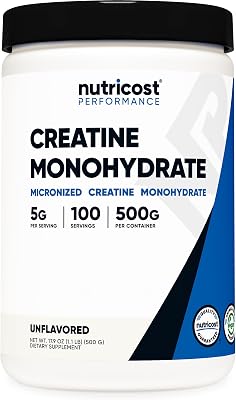
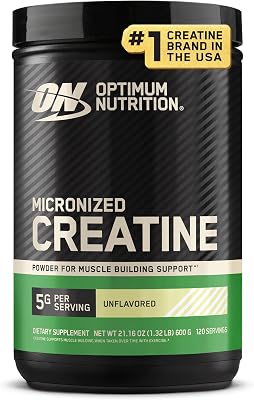
A straightforward 5 g creatine monohydrate makes the dose easier to control.
Is creatine bad for your kidneys?
This is one of the most common concerns.
Creatine supplementation can affect blood creatinine measurements because creatinine is a breakdown product related to creatine metabolism. That does not automatically mean kidney damage.
Current evidence does not indicate that standard creatine supplementation damages kidney function in healthy people. NIH Office of Dietary Supplements
However, anyone with kidney disease, impaired kidney function or another relevant medical condition should speak with a qualified healthcare professional before using creatine.
Does creatine cause dehydration?
Creatine is sometimes blamed for dehydration and cramping.
The evidence does not support the idea that normal creatine use routinely causes dehydration in healthy users.
You should still drink enough fluid to support your activity level, just as you should whether you take creatine or not.
Is long-term use safe?
Studies and reviews have examined creatine use over extended periods, and established evidence has not identified consistent harmful effects in healthy adults using appropriate amounts. NIH Office of Dietary Supplements
Quality still matters. Choose supplements with simple ingredient lists and preferably independent testing.
You can look for third-party-tested creatine monohydrate rather than choosing purely from packaging claims.
Bottom line
Creatine has a strong safety record in healthy adults.
Normal effects such as water-related weight gain shouldn't be confused with harm. If you have kidney disease, take prescription medication affecting kidney function, are pregnant, or have another relevant medical condition, get individual medical advice before supplementing.