Creatine is one of the most widely used sports supplements, particularly among people who lift weights, sprint or perform repeated high-intensity exercise.
But despite how common it is, there is still plenty of confusion about what creatine actually does.
Creatine is a naturally occurring compound that helps your muscles produce energy during short, intense efforts. Your body makes some creatine itself, and you also get smaller amounts from foods such as meat and fish.
Supplementing with creatine increases the amount stored in your muscles.
How does creatine work?
Your muscles use a molecule called ATP for energy.
During activities such as heavy lifting or sprinting, ATP is used very quickly. Your stored phosphocreatine helps regenerate ATP so that your muscles can continue producing force.
Increasing the amount of creatine stored in your muscles therefore gives your body a larger reserve to draw from during high-intensity exercise.
That is why creatine is particularly associated with:
- Strength training
- Sprinting
- Power-based sports
- Repeated high-intensity exercise
It isn't a stimulant, so you shouldn't expect to feel an immediate buzz after taking it.
If you want to understand when to take it, read our guide to the best time to take creatine.
Does creatine help build muscle?
Creatine can support muscle growth, particularly when combined with resistance training.
It doesn't directly build muscle while you sit on the sofa.
Instead, creatine may help you perform slightly more work during training. Over time, additional repetitions, improved training quality and progressive overload can contribute to better muscle growth.
Creatine also increases water stored inside muscle cells, so some people notice their muscles look slightly fuller after beginning supplementation.
How much creatine do you need?
For most people, the simple approach is around 3 to 5 grams of creatine per day.
There is no need to continually increase your dose.
Read our full guide on how much creatine to take each day.
You can also use a loading phase if you want to increase your muscle creatine stores more quickly, although it isn't necessary.
See our guide to creatine loading.
Which type of creatine is best?
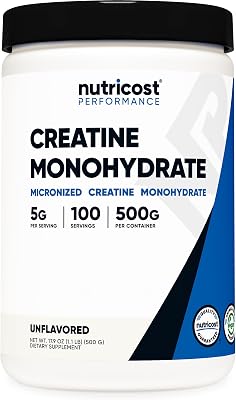
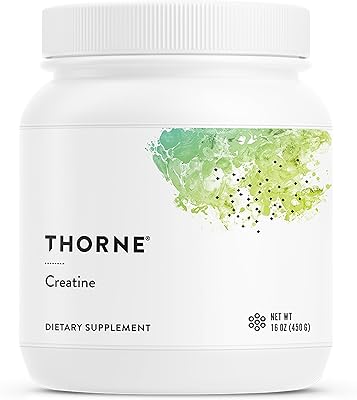
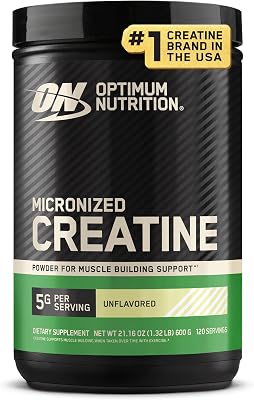
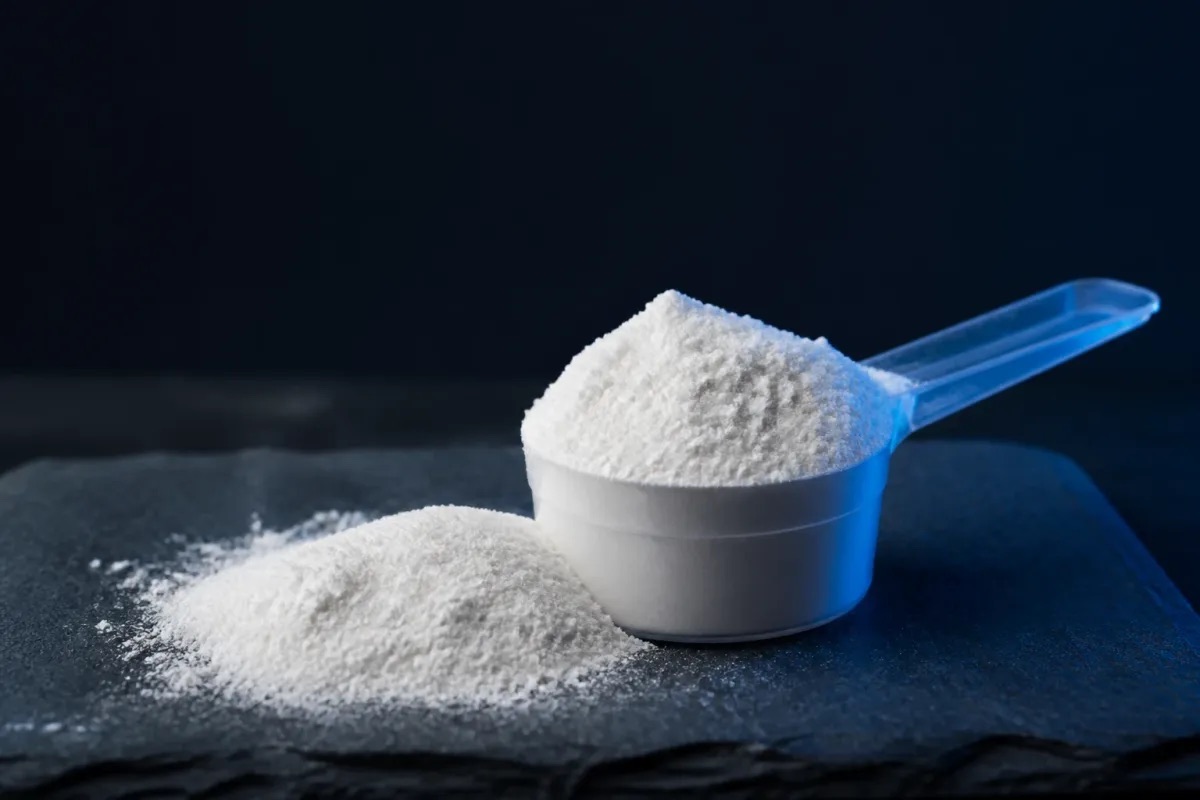
For most people, creatine monohydrate is the obvious place to start.
It is the most extensively researched form and is usually considerably cheaper than many newer alternatives.
There's little reason for beginners to pay extra for complicated blends.
You can see some straightforward options here:
Browse creatine monohydrate powders on Amazon
If you're unsure what to look for on the label, read our guide on how to choose the best creatine supplement.
Do you need to cycle creatine?
For most healthy adults there is no established requirement to cycle creatine on and off.
Creatine works by increasing and maintaining muscle creatine stores, so regular use makes more sense than repeatedly stopping and starting.
Bottom line
Creatine helps your muscles regenerate energy during short, intense exercise.
It can support strength, power and resistance-training performance, and the simplest option for most people is ordinary creatine monohydrate taken consistently.